Add Elite as Preferred
 Walk into a newly built villa in Bengaluru or a renovated independent house in Kochi, and there’s a good chance you’ll spot a glass door elevator somewhere in the layout, not tucked away, but placed almost like a design feature. That’s a fairly recent shift, and it says a lot about how homeowners are thinking about lifts now.
Quick Summary
Glass-door elevators are changing how modern homes look and feel. This guide explains why they're gaining popularity, what to consider before installing one, and how a well-built glass elevator like Elite's can transform a home's interior.
A decade ago, home elevators were purely functional, a metal box that got you from one floor to another. Today, a glass home elevator is often chosen as much for how it looks as for what it does. Here’s why that shift is happening and what to actually consider before installing one.
From Purely Functional to Part of the Design
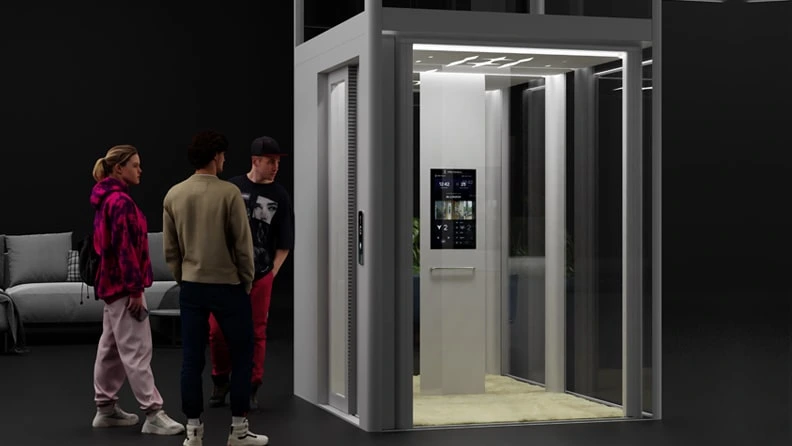
Home elevators used to be hidden, boxed into a corner, finished in whatever material was cheapest, and treated like a utility rather than a feature. Glass-door elevators flip that completely. Instead of hiding the lift, homeowners are now designing around it, often placing it centrally in a stairwell or foyer where natural light passes through the cabin.
Table of Contents
This works particularly well in multi-storey homes where natural light is limited on lower floors. A residential glass elevator effectively becomes a light well, letting sunlight filter down through the shaft instead of blocking it the way a solid metal cabin would.
Why Glass Elevators Are Gaining Ground in Cities Like Hyderabad, Kochi, and Bengaluru
Different cities are adopting this trend for slightly different reasons.
In homes with a glass door elevator in Hyderabad, the driving factor is often architectural: a lot of newer villas are built with open, light-filled interiors, and a glass cabin fits that aesthetic far better than a boxed-in metal one.
For a glass door elevator in Kochi, the appeal often comes down to humidity and light. Kochi’s tropical climate means homes are designed to maximise airflow and natural light, and a transparent lift shaft doesn’t interrupt either.
With a glass door elevator in Bengaluru, it’s frequently about matching the home to a more contemporary, minimalist design language that’s become common in the city’s newer residential developments.
Why Are Glass Elevators Trending in Modern Homes?
✔ See How Glass Elevators Elevate Home Design
✔ Compare Glass & Standard Home Elevators
✔ Understand Safety, Cost & Maintenance
✔ Find the Right Glass Lift for Your Home
What Makes Glass Elevators Different From Standard Home Lifts
A glass home elevator offers the same everyday convenience as a traditional home lift while creating a brighter, more spacious interior. Beyond the obvious visual difference, glass elevators involve a few practical distinctions worth understanding.
- Cabin construction. Instead of full metal panelling, the cabin uses tempered or laminated safety glass strong enough to meet the same safety standards as a solid cabin but is visually open.
- Shaft visibility. Many glass elevators use a glass-panelled shaft as well as a glass cabin, which means the entire lift becomes visible as it moves, rather than disappearing behind walls.
- Lighting design. Because the cabin is transparent, lighting placement matters more. Ambient lighting is often built into the frame rather than the ceiling, so it doesn’t interfere with the glass’s transparency.
- Maintenance considerations. Glass surfaces need slightly more regular cleaning to stay looking sharp, though this is a minor trade-off compared to the visual payoff.
Are Glass Door Elevators as Safe as Standard Ones?
This is the most common concern homeowners raise, and it’s a fair one. A certified residential glass elevator delivers the same level of safety, reliability, and performance as any modern residential lift. The glass used in certified home elevators isn’t ordinary glass; it’s tempered or laminated safety glass, tested to withstand impact and pressure well beyond what’s needed for daily use.
A well-built glass elevator, like the ones offered by Elite Elevators, meets the same certification standards as a standard metal-cabin lift, including automatic rescue devices, emergency lighting, and overload protection. The transparency is purely aesthetic; the underlying engineering doesn’t change.
What Does a Glass Door Elevator Cost Compared to Standard Models?
The glass elevator price is typically higher than that of standard cabin lifts due to the use of safety-rated glass and additional engineering required for a transparent cabin and shaft design. That said, the price difference has narrowed over the past few years as glass elevator technology has become more widely available in India.
For homeowners weighing the decision, it often comes down to whether the architectural payoff, natural light, an open feel, and a genuine design statement justify the modest price premium.
Is a Glass Elevator Right for Every Home?
Not necessarily. Choosing a glass home elevator depends on your home’s architecture, lighting, and overall interior style rather than aesthetics alone. Homes with limited natural light on lower floors benefit the most, since the transparency helps distribute light through the house. Similarly, contemporary or minimalist interiors tend to suit the aesthetic better than heavily traditional designs, where a glass cabin might feel visually out of place.
If your home already has good natural light and a more classic interior style, a standard elevator cabin with premium finishes might actually be the better fit. Glass isn’t automatically the superior choice, just a different one.
How to Decide Between Glass and Standard Cabins
A few practical questions can help:
- Does your home’s design lean contemporary or more traditional?
- Is natural light limited on the floors the lift will pass through?
- Is the lift positioned somewhere visible, like a central stairwell, or tucked away?
- Are you comfortable with slightly more frequent cleaning to maintain the glass?
If most answers point toward an open, light-focused design, a glass door elevator is likely the better investment.
Related Posts:
👉 How to Reduce Home Elevator Installation Costs Without Sacrificing Safety
👉 Home Elevators for Senior Citizens: Safety & Comfort – An Easy Guide
👉 Complete Cost Analysis for Installing Home Elevators in India 2026
👉 Lifts vs Elevators: Pros, Cons, and Key Differences Explained
👉 New Build vs. Retrofit – When Should You Install a Home Elevator?
👉 Affordable Home Elevators: A Cost-Effective Guide for Indian Homeowners
👉 Household Elevators: Costs, Benefits, and Features Explained