...
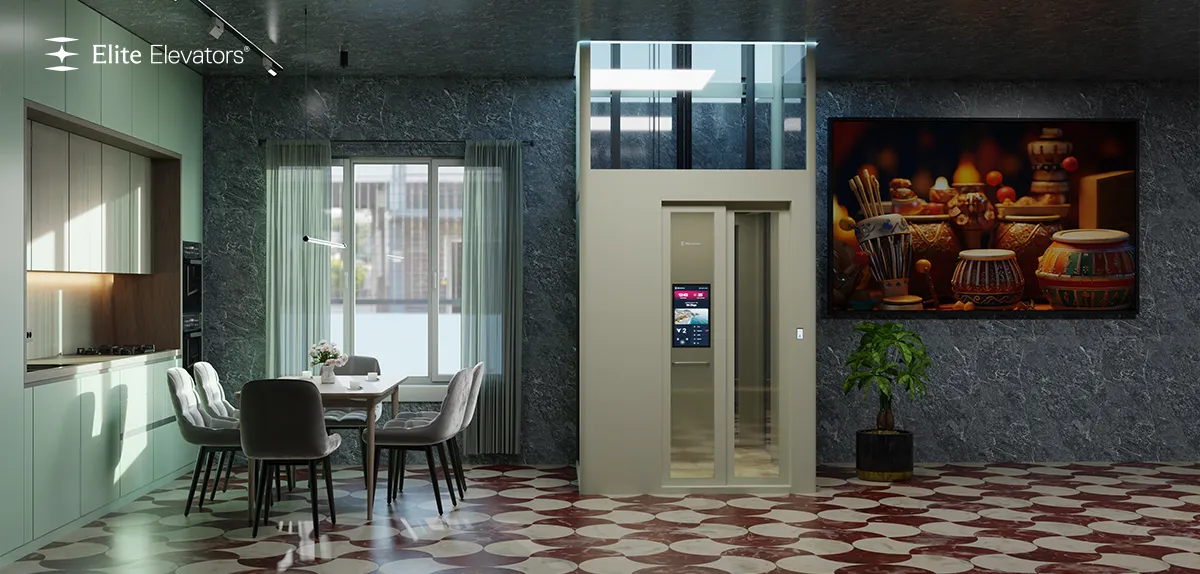
X300 Plus Smart Lift

What It Is?

Home elevators designed for low maintenance are specifically suited to gearless- and belt-drive systems. These low-maintenance systems are designed to streamline time spent on traditional maintenance of the elevator and to reduce the financial commitment involved. These lift systems provide a simplified design with fewer mechanical components and an advanced engineering design that will reduce maintenance frequency, minimize service call requests, and extend the life of the equipment. The systems feature either gearless or belt-driven designs that have been proven to be the most efficient options available.

The majority of elevators utilize a combination of complex gear methods, excessive amounts of lubricants, and a large number of moving parts on the elevator's mechanisms. As time progresses, these components will naturally wear out due to the friction created by the moving parts. For this reason, there are frequent inspections to see if any adjustments are needed, or if there are parts that need to be replaced. The gearless and belt-driven systems will eliminate the majority of the parts that could create a problem inside an elevator because they contain very few moving parts. Having fewer moving parts equates to fewer locations where equipment can fail, reduced mechanical stress, and ultimately a reduction in the amount of maintenance required on an ongoing basis.

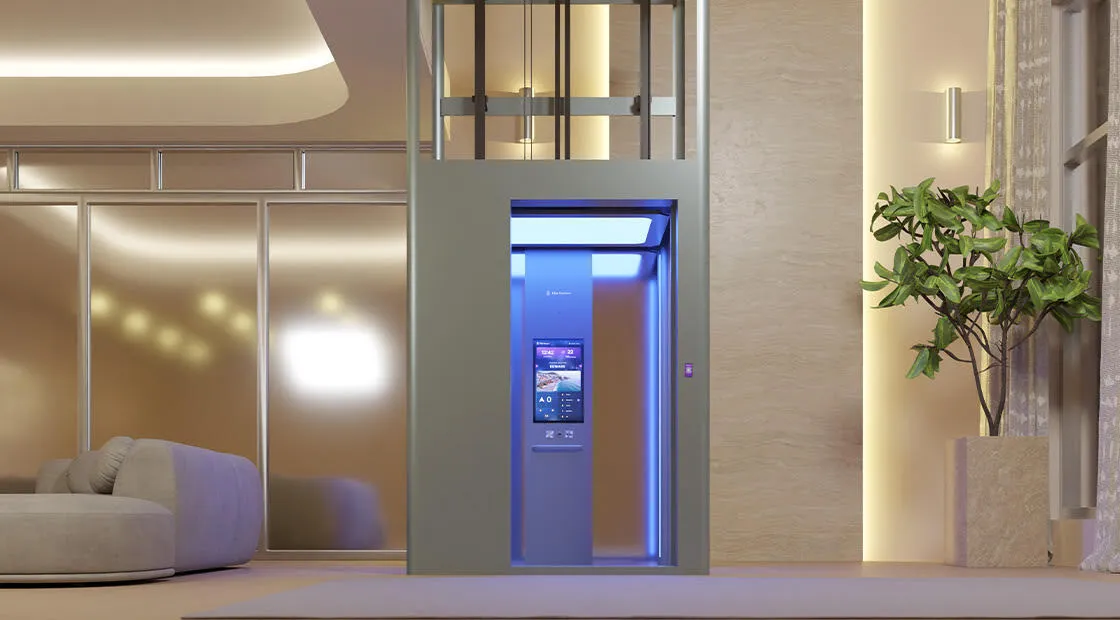
X300 Mark II Lift

Why It Matters?

As previously mentioned, the low maintenance systems work well in residential environments due to their ability to provide owners with dependable and worry-free operation. In contrast to commercial buildings that employ maintenance personnel, a home benefits significantly from a system that can continuously operate without the need for owner's intervention. The low-maintenance systems have been designed to operate efficiently and dependably, day in and day out for years. Also, in addition to their ease of use, these elevators also keep the frequency of required servicing lower and simpler.

In addition to convenience, low-maintenance elevator systems help maintain a cleaner environment. Since the need for lubricants is substantially decreased with these systems, homeowners do not have to cope with potential oil leaks or lube residue, thus maintaining the cleanliness of both the elevators and the surrounding areas of their homes. The problem of maintaining cleanliness is even more pronounced where elevators are installed inside living spaces as opposed to designated service areas.

Finally, there is a financial aspect to low-maintenance systems. Lower maintenance needs, coupled with fewer parts needing replacement, and less chance of unexpected breakdowns create a more manageable ownership expense for homeowners over the long term. Safety is one of the top features of modern low maintenance systems as they comply with all safety requirements for residential use, while providing higher reliability.


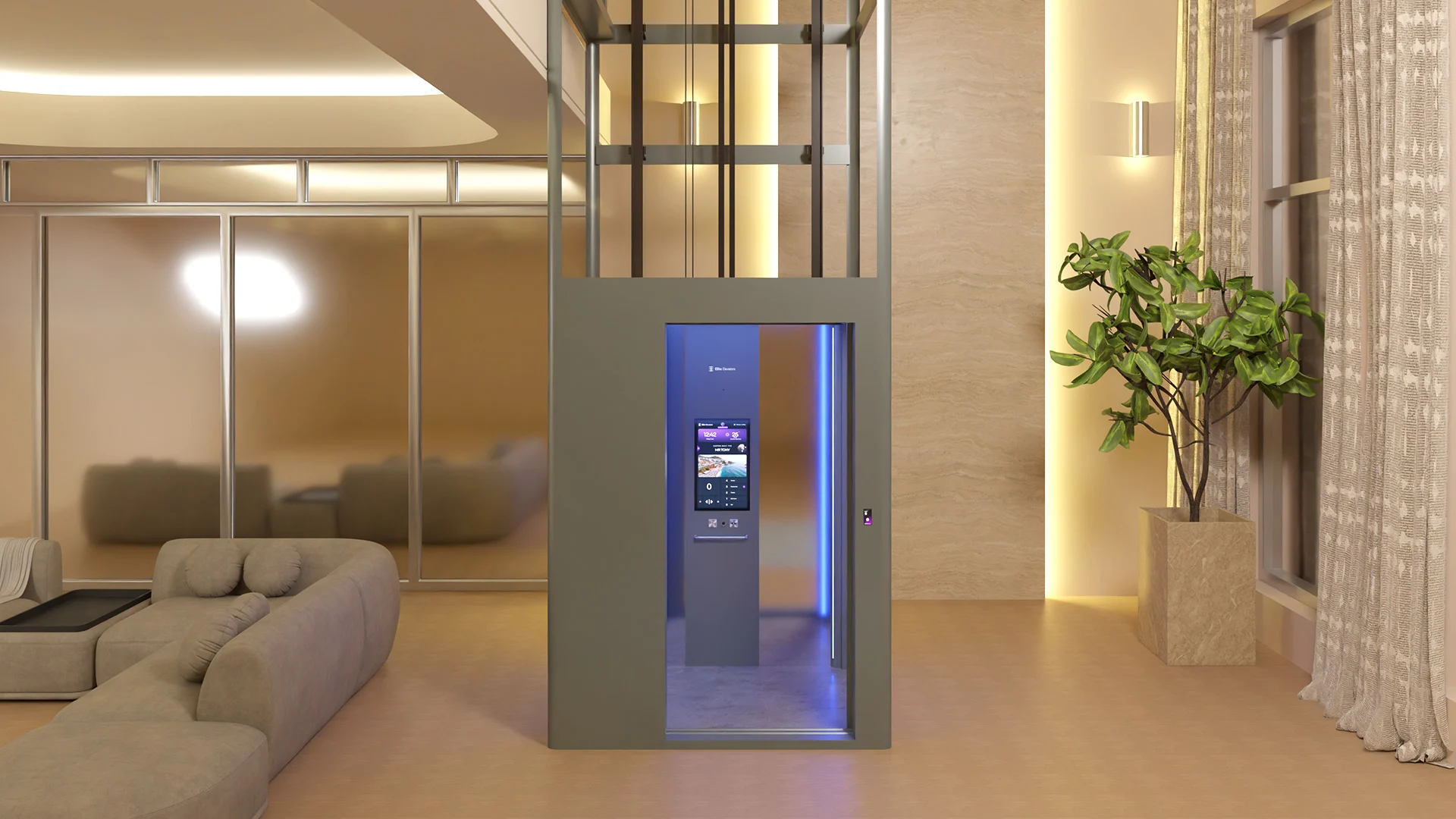
X300 Mark II Plus Lift

Who Needs This?

  • Homeowners looking for worry-free, long-term operation
  • Families using the elevator daily
  • Homes without on-site maintenance personnel
  • Property owners seeking lower ownership costs over time

Technical Details

Gearless Drive Technology

Minimizes mechanical wear for longer-lasting performance.

Belt-Driven Systems

Low-friction operation ensures smooth and efficient travel.

Fewer Moving Components

Simplifies maintenance and reduces potential issues.

Reduced Lubrication Needs

Cuts down on upkeep and operational costs.

Simplified Service & Inspection

Easier, quicker, and more efficient maintenance routines.

Enhanced Energy Efficiency

Optimized design reduces power consumption without compromising performance.

Frequently Asked Questions (FAQ)

1. Why are gearless or belt-driven elevators more reliable?

There are fewer moving parts in these systems as compared to mechanical systems. As a result, fewer breakdowns occur, servicing requirements are reduced, and long-term reliability is improved for residential use.

2. Does low maintenance mean less safety inspection?

No. Recurring safety inspections are still necessary. Low maintenance refers to reduced mechanical wear, not reduced oversight of safety systems or operating conditions.

3. Are low-maintenance elevators able to be used multiple times daily?

Yes. These systems are designed to provide safe and dependable performance multiple times a day while requiring minimal ongoing maintenance.

4. Will owning a low-maintenance elevator cost less in the long run?

Yes. Reduced servicing needs, fewer component replacements, and lower risk of unexpected failures significantly reduce long-term maintenance and ownership costs.