...
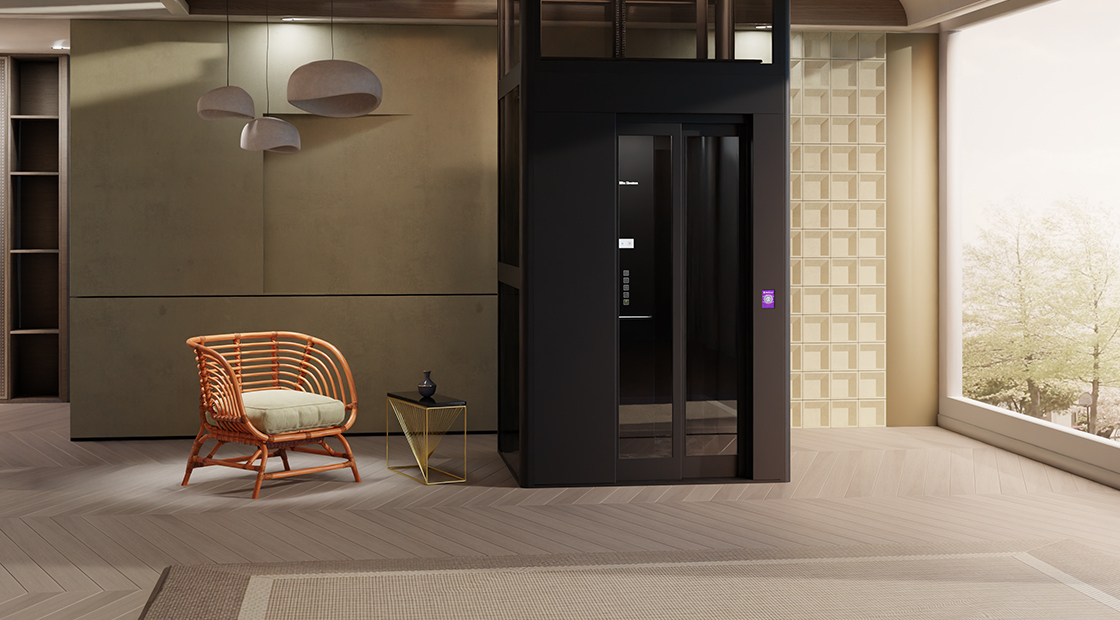
X300 Gearless Home Lift

Understanding Door Interlocks & Obstruction Sensors in Home Lifts

Automatic door interlocks and obstruction sensors are essential safety mechanisms integrated into modern home elevators to ensure safe operation during entry, exit, and travel. These systems work together to prevent unsafe movement of the elevator and to protect passengers from accidental injury.

Automatic door interlocks ensure that the elevator car cannot move unless all doors are completely closed and securely locked. This prevents scenarios where the elevator might start moving with doors partially open or improperly aligned.

Obstruction sensors, on the other hand, continuously monitor the door area. If they detect any object, resistance, or movement—such as a person, wheelchair, pet, or item—the doors immediately stop or reverse their motion. This prevents doors from closing on passengers or objects.

Elite Elevators incorporates these intelligent door safety systems into its residential elevators to ensure controlled, predictable, and safe operation in everyday home environments.


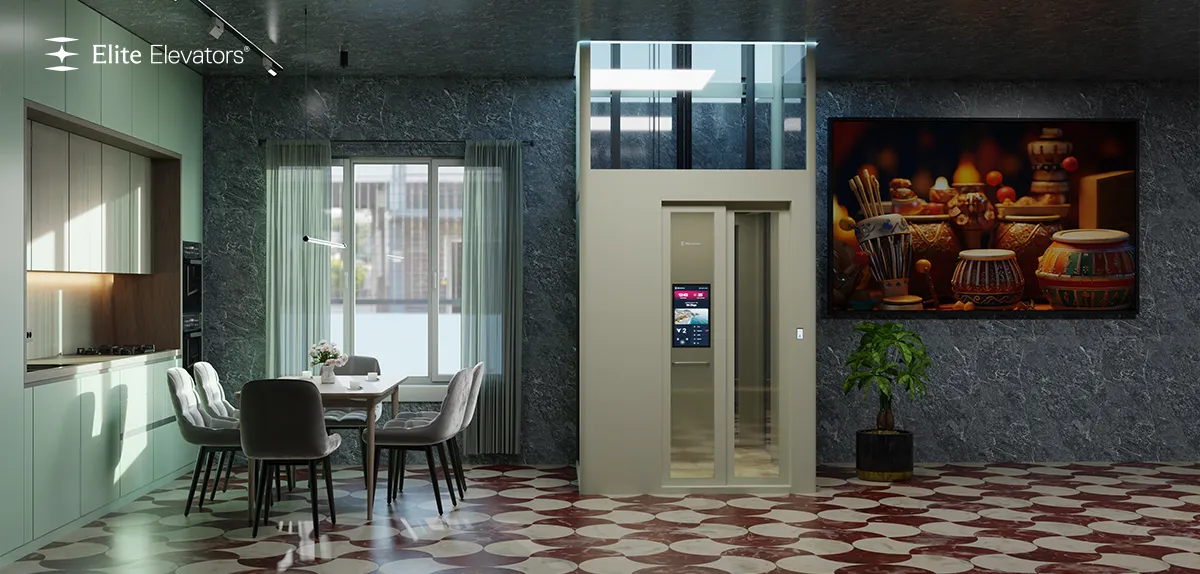
X300 Plus Smart Lift

Why Is This Safety Feature Important?

Home elevators are used frequently and by a wide range of users, including children, senior citizens, wheelchair users, and guests unfamiliar with elevator operation. In such settings, door-related risks are among the most common safety concerns.

Without automatic interlocks, there is a risk of the elevator moving before doors are properly secured. Without obstruction sensors, closing doors could cause injury or panic if something blocks their path. These systems eliminate both risks by ensuring the elevator operates only when conditions are completely safe.

For residential use—where supervision may not always be present—automatic door interlocks and obstruction sensors provide constant, passive safety protection without relying on user awareness or manual intervention.

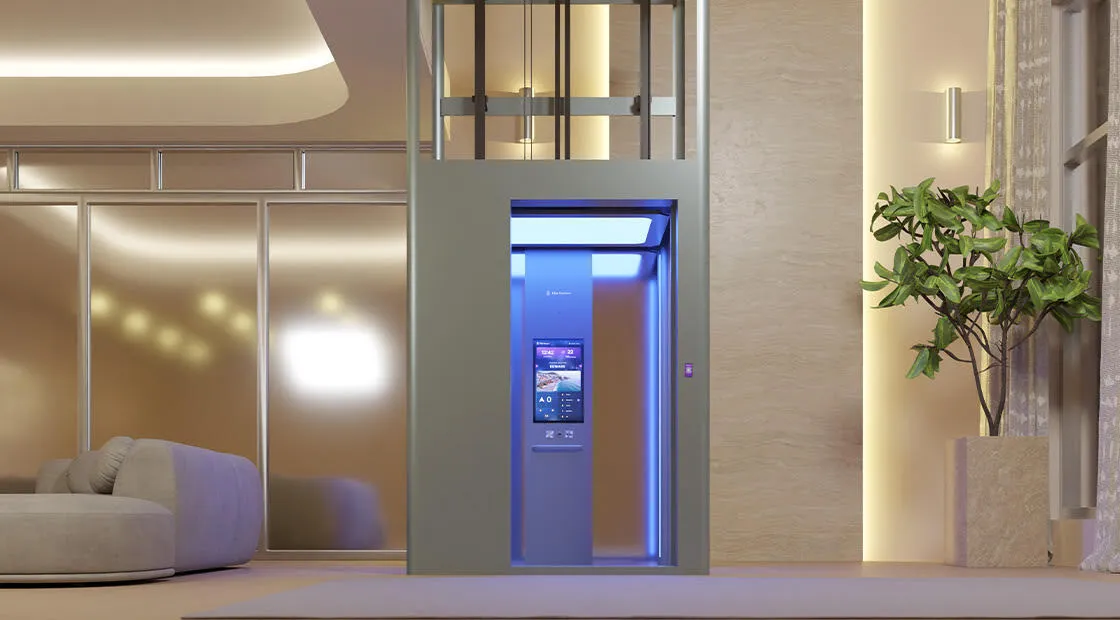
X300 Mark II Lift

Who Will Benefit Most from This Feature?

This safety feature is especially beneficial for homes with:

  • Elderly residents, who may move slowly or require additional time to enter or exit
  • Wheelchair users and mobility-impaired individuals, where door clearance and timing are critical
  • Children and pets, who may be unpredictable around moving doors
  • Families seeking hands-free, worry-free safety built into daily elevator use
Homeowners who value international safety standards, long-term reliability, and stress-free operation will find automatic door protection systems indispensable.

How the Door Safety System Works

Automatic Door Interlocks

The elevator control system verifies that all doors are fully closed and mechanically locked before allowing movement. If even one door is not secured, the elevator remains stationary.

Continuous Obstruction Detection

Sensors embedded in the door mechanism actively scan for resistance or interruption during door movement, ensuring constant monitoring.

Instant Door Reversal

If an obstruction is detected while doors are closing, the system immediately stops and reverses the doors to prevent injury or damage.

Intelligent System Integration

The door safety system communicates directly with the elevator’s control unit, ensuring coordinated, real-time safety responses.

Residential Safety Compliance

All door interlocks and sensors are manufactured using internationally certified components and designed to comply with residential elevator safety standards.

Frequently Asked Questions (FAQ)

1. What happens if someone or something blocks the elevator doors?

The obstruction sensors detect the blockage instantly and stop or reverse the door movement. This prevents injury to passengers and ensures objects are not damaged during door operation.

2. Can the elevator move if the doors are not completely closed?

No. Automatic door interlocks prevent the elevator from moving unless the doors are fully closed and securely locked. This ensures safe operation at all times.

3. Are these systems necessary for residential elevators?

Yes. Residential elevators are used by families daily, often without supervision. Door safety systems are critical to prevent accidental movement or door-related injuries.

4. Do obstruction sensors need to be activated manually?

No. Obstruction sensors function automatically and continuously. They require no user input and provide constant protection during every door operation cycle.

5. Will door interlocks and sensors affect the elevator’s normal performance?

No. These systems operate seamlessly in the background and do not affect ride comfort or speed. They activate only when a safety condition requires intervention.