Completed In Typical Times Of 2–3 Weeks
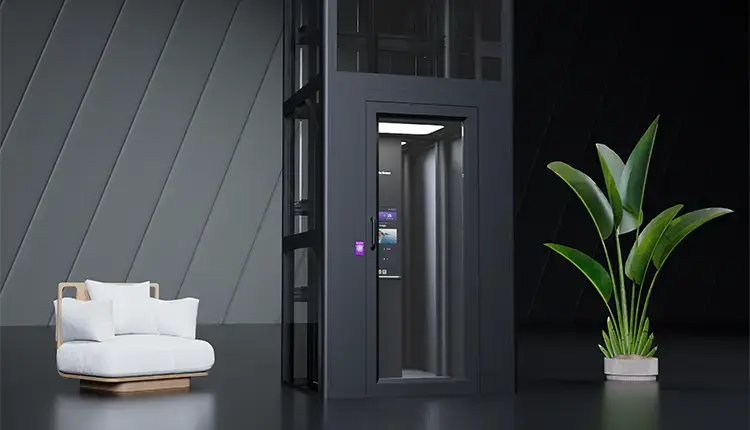
Fast and Professional Home Elevator Installations are residential elevator systems that are designed to be installed quickly, safely, and with as little disruption to the home’s environment as possible. Unlike traditional elevators, which require significant civil construction work and often take a very long time to complete, the design of fast and professional home elevator installations incorporates simplified structural requirements, pre-engineered components, and streamlined installation methods.
Designed specifically for residential application, most installations can be completed in approximately 2–3 weeks, depending on site readiness and configuration. The end result of this process is that homeowners will have access to vertical mobility in a very short period of time.
Long construction timeframes can create enormous disruptions to the daily lives of homeowners, particularly when the home is being occupied. A traditional installation of an elevator includes the need for several contractors to complete the work, heavy civil construction activity, and an unpredictable installation schedule, which results in significant noise, dust, and delays.
A fast and professional home elevator installation allows the homeowner to get the elevator installed quicker and with less disruption, thereby providing a greater benefit to the homeowner.
This solution will benefit homeowners who want to have vertical mobility without the long construction timeframes typically associated with traditional elevators. This is ideally suited for existing or occupied homes, senior households that need timely access to their new product, and families who are looking for a systematic and professional approach to their installation.
The greatest benefit of this approach will be for owners of villas, bungalows, duplexes, and independent houses who have a significant need to have their time used efficiently and who value reduced disruption to their existing lifestyle.
A complete evaluation of the site will be made to determine the layout, structure, and amount of space available for the installation. This evaluation will provide the information necessary to create a plan of action for the installation process.
The amount of civil work that will need to be done prior to the installation is kept to a minimum and will be clearly identified before the installation process begins. By clearly defining this, delays and rework caused by civil preparation are avoided.
All of the elevator components that have been pre-engineered are installed by trained professionals. The installation process is performed with a high level of precision, safety, and efficiency.
Once the installation is completed, a thorough series of tests and safety checks are performed to ensure that the elevator operates smoothly and reliably.
After it is fully commissioned and handed over, a clear set of guidelines for operation, as well as continued support after the installation is complete, is provided.
Depending on the site conditions, number of floors, and model selection, most home elevator installations can be completed within a period of 2 to 3 weeks. By performing the necessary planning ahead of time, a predictable schedule can be maintained.
Yes. Residential elevators are specifically designed to be installed in existing and occupied residences. Every effort is made to limit the amount of noise, dust, and disruption to daily routines during the installation process.
There are numerous factors, such as site readiness, floor height, layout, and complexity of the building, that will affect the installation timeframe. While these factors may cause delays, the risk can be significantly reduced with adequate planning.
Absolutely not. The ability to complete an installation in a shorter time frame is due to better design and planning, not because safety is being compromised. All quality control checks and safety standards are upheld.
Professional installation ensures correct alignment, system calibration, and compliance with residential safety standards. Trained installation teams follow structured procedures, perform thorough testing, and ensure long-term reliability and safe operation of the home elevator system.