

With rising urbanization, multi-story houses, and a growing focus on comfort and accessibility, home elevators are no longer a luxury reserved for mansions. In India, homeowners are increasingly installing residential elevators to improve convenience, enhance mobility for elderly family members, and future-proof their homes.
However, choosing the right home elevator is not a one-size-fits-all decision. Factors like space availability, budget, usage requirements, safety standards, and local conditions all play a crucial role. This guide will walk you through everything you need to know to choose the right home elevator for your Indian home.

Table of Contents
- Understanding Why You Need a Home Elevator
- How to Choose the Right Home Elevator for Your Indian Home?
- 1. Assessing Available Space in Your Home
- 2. Types of Home Elevators Available in India
- 3. Choosing the Right Load Capacity and Size
- 4. Safety Features You Should Never Compromise On
- 5. Power Consumption and Energy Efficiency
- 6. Design, Customization, and Aesthetics
- 7. Budget and Long-Term Cost Considerations
- 8. Installation Timeline and Civil Work Requirements
- 9. Choosing the Right Manufacturer and Service Partner
- 10. Future-Proofing Your Home
- Final Thoughts
Understanding Why You Need a Home Elevator
Before selecting a home elevator, it’s important to identify your primary purpose.
Some common reasons Indian homeowners opt for home elevators include:
- Easy movement for elderly family members
- Accessibility for people with mobility challenges
- Convenience in multi-story homes
- Long-term planning for aging in place
- Adding value and modern appeal to the property
Clarifying your purpose helps narrow down the type, size, and features you truly need—preventing unnecessary expenses.
How to Choose the Right Home Elevator for Your Indian Home?
1. Assessing Available Space in Your Home
Space availability is one of the most critical factors when choosing a home elevator in India, especially since many homes are built on compact plots.
Key space considerations include:
- Lift shaft availability (or the possibility of creating one)
- Floor-to-floor height
- Pit depth and overhead clearance
- Indoor vs outdoor installation
Modern home elevators are available in compact designs that require minimal civil work, making them suitable even for existing homes. Always get a professional site inspection to understand what type of residential elevator your space can accommodate.
2. Types of Home Elevators Available in India
Understanding the different types of home elevators will help you make an informed decision.
Hydraulic Home Elevators
These are popular for low-rise residential buildings. They operate smoothly and can handle higher loads, making them suitable for families.
Pros:
- Smooth ride
- Suitable for 2–4 floors
- Reliable performance
Cons:
- Requires more space
- Slightly higher maintenance
Best for: traditional homes, villas, and those prioritizing comfort over ultra-compact design.
Machine Room-Less (MRL) Lifts
Machine Room-Less (MRL) elevators are energy-efficient and widely used in modern homes.
Pros:
- Energy efficient
- No separate machine room
- Faster operation
Cons:
- Higher initial cost
- Requires precise installation
Best for: urban homes or apartments with space constraints.
Stairlifts
While not a full elevator, stairlifts are worth mentioning, especially for elderly or mobility-challenged users.
Pros
- Lower cost than a full elevator
- Excellent for seniors or limited mobility
- Minimal civil work
Cons
- Only useful for stair navigation; not a full lift experience
Best for: homes where a full elevator isn’t feasible but accessibility is needed
Screw-Driven & Chain-Driven Lifts
Though less common, some providers offer screw-driven or chain-driven home lifts:
Features
- Screw-driven models operate via a rotating screw mechanism
- Chain-driven models use chains instead of ropes
Pros
- Compact and often suitable for retrofit installation
- Lower maintenance than hydraulic in some cases
Cons
- Slightly slower and may be pricier upfront
Best for: Retrofit projects or homes where traditional elevator shaft options are limited.
Each type has its own advantages, and the best choice depends on your home layout, usage, and budget.
3. Choosing the Right Load Capacity and Size
Indian households often have multiple users, so choosing the correct elevator size is essential.
Typical capacity options include:
- 2-person (150–180 kg)
- 3–4 person (250–320 kg)
- Wheelchair-friendly models (300 kg and above)
If the elevator is intended for elderly users or wheelchair access, ensure it has:
- Adequate cabin width
- Easy-to-reach control panels
- Smooth leveling at floors
Selecting the right size improves comfort and safety while avoiding unnecessary costs.
4. Safety Features You Should Never Compromise On
Safety is non-negotiable when installing a home elevator.
Essential safety features to look for include:
- Emergency stop button
- Battery backup or manual lowering during power failure
- Door interlock systems
- Overload sensors
- Alarm or intercom system
- Automatic rescue device (ARD)
Make sure the elevator complies with Indian safety standards and relevant certifications. A reliable manufacturer will always prioritize safety over aesthetics.
5. Power Consumption and Energy Efficiency
Electricity costs are an important consideration for Indian homeowners.
Modern home elevators are designed to be energy efficient and consume power similar to common household appliances. Some models consume power only while moving and not when idle.
Tips to improve energy efficiency:
- Choose MRL or gearless traction systems
- Opt for LED cabin lighting
- Use standby or sleep modes when not in use
An energy-efficient elevator reduces long-term operating costs.
6. Design, Customization, and Aesthetics
Home elevators today are as much about design as they are about functionality.
You can customize:
- Cabin materials (glass, stainless steel, laminate)
- Flooring and lighting
- Door styles (automatic or manual)
- Control panel design
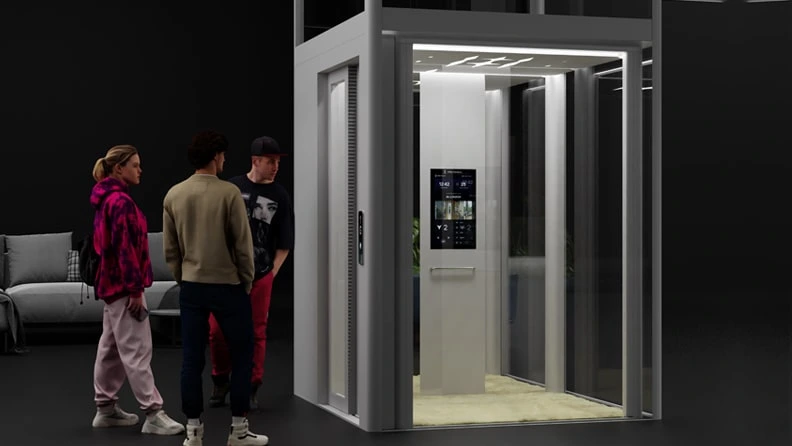
Choose a design that complements your home’s interiors rather than overpowering them. Glass elevators are especially popular in Indian homes for their modern and spacious look.
7. Budget and Long-Term Cost Considerations
The home lift price in India varies depending on:
- Type of elevator
- Number of floors
- Customization
- Installation complexity
- Brand and after-sales service
Beyond the initial cost, consider:
- Annual maintenance contracts (AMC)
- Spare part availability
- Warranty coverage
- Energy consumption
A cheaper elevator with poor service support can become expensive over time. Always balance upfront cost with long-term reliability.
8. Installation Timeline and Civil Work Requirements
Installation time can range from a few weeks to a couple of months, depending on the elevator type and civil work involved.
Key questions to ask:
- How much structural modification is required?
- Will installation disrupt daily household activities?
- Is the elevator suitable for retrofit installation?
Choosing an experienced installer ensures minimal disruption and proper alignment with safety norms.
9. Choosing the Right Manufacturer and Service Partner
Selecting a trusted home elevator manufacturer is just as important as choosing the elevator itself.
Look for:
- Proven experience in the Indian market
- Strong after-sales support network
- Clear warranty and maintenance terms
- Positive customer reviews
- Transparent pricing
A reliable service partner ensures smooth operation, timely maintenance, and peace of mind for years to come.
10. Future-Proofing Your Home
Even if you don’t need an elevator urgently, installing one now can future-proof your home.
Benefits include:
- Comfortable aging in place
- Increased property value
- Improved resale appeal
- Enhanced accessibility for all age groups
Planning ahead saves you from costly renovations later.
Final Thoughts
Choosing the right home elevator for your Indian home requires careful planning, expert guidance, and a clear understanding of your needs. By evaluating space, safety, budget, and long-term usability, you can make a smart investment that enhances comfort, accessibility, and lifestyle.
A well-chosen home elevator is not just a convenience—it’s a step toward a more inclusive, future-ready home.

Ramesh Kumar
This blog explained home elevator selection very clearly. The points about space, load capacity, and safety standards are especially helpful for Indian homes. Great guide for first-time buyers.
Anjali
Very informative article. I didn’t know there were different drive systems suitable for homes. The comparison section made it easy to understand what fits our family needs.
Suresh
Great guide for anyone planning home elevators in India. I liked the comparison between hydraulic and traction home lifts for everyday use.
Amit Verma
Excellent explanation of residential elevators. The blog clearly explains budgeting, design options, and home lift installation for duplex and villa homes.
Deepa
This blog cleared many doubts about home elevators, especially regarding cost, maintenance, and choosing the right residential lift.
Deepthi
This blog clearly shows why home elevators are becoming essential in premium locations like Dollars Colony. Very helpful insights.
Divya Kapoor
The section about safety features was extremely useful. Many homeowners focus only on design and price, but safety is critical when selecting an Indian home elevator. This blog clearly explains what to look for, making it valuable for first-time buyers.
Sanjay Mishra
The focus on future-proofing the home is something many people overlook. Installing an Indian home elevator today can save major renovation costs later. This blog highlights long-term thinking very well.
Pooja Iyer
I really liked how the article focuses on real family needs, especially for elderly members. Selecting the best Indian home elevators is not just about luxury but accessibility. Very meaningful and informative content.
Ajay Verma
The explanation of installation timelines and civil work requirements is very realistic. Many people underestimate this step while choosing a home elevator India residents can depend on. Thanks for sharing such practical advice.
Shreya Patel
This is one of the most comprehensive guides on the types of home elevators in India. The pros and cons of each option are clearly explained. It helps buyers make confident decisions.
Naveen Sharma
The emphasis on choosing the right manufacturer and service partner is very important. Many buyers only look at price, but long-term reliability matters when investing in the best home elevators in India.
Simran Gupta
Very informative post! The points about space constraints in modern homes are very relatable. Selecting an Indian home elevator requires careful planning, and this blog explains that perfectly.