Table of Contents
As homes become more modern, functional, and future proof within the Indian home building trend, domestic lifts are losing their luxury stereotype and being promoted as an effective and sensible investment. Whether you own a multi-story villa, duplex, or are simply planning for access in the future as you enter your senior years; a domestic lift can give you functionality complemented by elegance. In urban areas where convenience, safety, and space maximization are becoming more important than ever, domestic lifts have become synonymous with progressive residential design.
So, what is the cost of a domestic lift in India? It depends on a number of variables from technology to installation complexity. In this blog, we will cover some influencing variables, all advantages and some handy advice to help you choose what aligns with your home and budget.
What is a Domestic Lift?
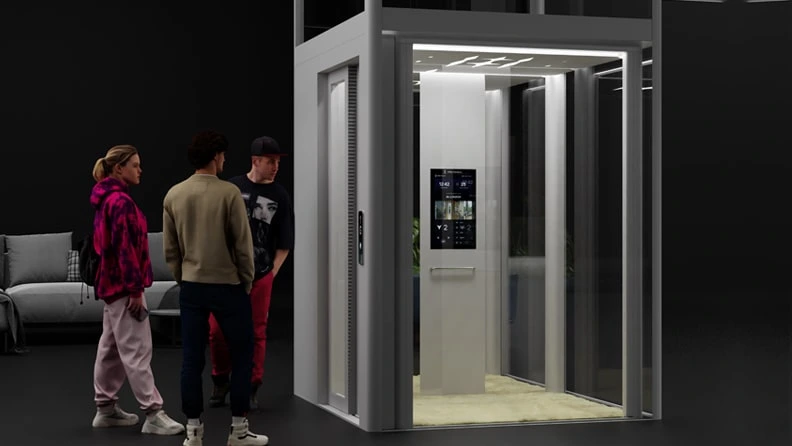
A domestic lift, also known as a home elevator or residential lift, is a small, custom vertical transport system used in residential buildings only. Domestic lifts are designed for comfort, aesthetics, energy efficiency, and ease of installation, in contrast to commercial elevators that are built for high-rise buildings and heavy duty continuous use. These lifts are able to be installed into new and existing properties and are designed to move the passenger between floors and any light household goods (such as groceries or laundry).
Domestic lifts can be designed in many styles and lift mechanisms, so there are options available for all architectural styles, financial budgets, and user needs. Domestic lifts can be found in many shapes and forms, from glum and diamond shaped glass cabins to small compact and stretchy lifts, and much more depending on your home specifications.
Why Are Indian Homeowners Choosing Domestic Lifts?
The popularity of domestic lifts in India has surged in recent years—and for good reason. Today’s homeowners are more informed, design-conscious, and forward-thinking. Here’s why more Indians are embracing residential elevators:
- Mobility for aging parents or grandparents: Seniors often struggle with stairs, and lifts provide them with independent mobility.
- Multi-story living: Villas, duplexes, and three-story homes are increasingly common in urban and semi-urban areas.
- Aesthetic integration: Modern domestic lifts can be designed to match the interior, becoming a stylish centerpiece.
- Convenience for daily routines: Carrying groceries, luggage, or laundry between floors becomes effortless.
- Safety for families: Reduces stair-related accidents for both elderly individuals and small children.
- Property enhancement: Elevators add a layer of luxury and significantly improve resale potential.
Key Factors That Influence Domestic Lift Costs
The cost of installing a domestic lift in India can vary significantly depending on the specifications, location, and brand. On average, prices may start from ₹14.5 lakhs and can go up. Let’s break down the core elements that affect the total investment:
1. Type of Technology Used
The elevator’s drive mechanism is one of the most important cost-determining factors:
- Hydraulic lifts – Known for smooth rides and high durability. Typically more expensive due to their oil-based system.
- Gearless traction lifts – Offer whisper-quiet operation, better energy efficiency, and a premium experience.
- Screw-driven lifts – Great for compact homes; require minimal civil changes.
- Stair lifts – Compact, simple and perfect for individuals seeking basic mobility.
2. Number of Floors
The more levels your elevator needs to service, the higher the installation and equipment cost. Each additional stop involves more materials, wiring, and labor.
3. Size & Capacity
A basic lift for 2 people costs less than a spacious lift that can accommodate 4–5 people or a wheelchair. Greater capacity also means stronger motors and additional reinforcements, all of which influence price.
4. Customization & Interiors
You can choose standard finishes or opt for premium interiors:
- Flooring – Wooden laminate, marble, vinyl
- Cabin walls – Glass panels, stainless steel, textured laminates
- Controls – Digital touchscreens, voice-activated panels
- Lighting – Ambient LED, ceiling chandeliers
All these choices impact the final cost.
5. Location & Civil Work
If you’re installing the home lift in a newly constructed home, it’s easier and cheaper to integrate the system. For retrofits, additional civil modifications like cutting slabs, shifting utilities, or constructing shafts may be required, increasing costs.
6. Brand & After-Sales Support
Not all elevator brands are created equal. Leading global or ISO-certified Indian brands might have higher upfront pricing, but they deliver in terms of safety, performance, and longevity. A reputed brand will offer:
- Extended warranty
- Quick service response
- Easy availability of spare parts
7. Shaft Requirement
Some modern lifts don’t require a traditional shaft. These models save on civil work and allow quicker installation. Modular, pre-engineered shafts also cut down construction complexity and offer better aesthetics.
8. Cost of Maintenance & AMC (Annual Maintenance Contract)
Post-installation, your lift will need regular servicing to remain safe and functional. AMC costs can range from ₹10,000 to ₹50,000 annually, depending on the complexity of the lift and service provider. It’s advisable to choose a brand that offers a transparent, reliable AMC structure to avoid surprise expenses later.
Benefits of Installing a Domestic Lift
Adding a domestic lift to your home goes beyond just vertical transportation—it transforms your home experience. Here’s how:
1. Safety for Seniors and Children
Elevators eliminate the physical strain and risk of falls associated with stairs. For households with toddlers or elderly members, this becomes a critical safety measure.
2. Luxury Feel & Modern Appeal
A well-designed elevator adds a sense of grandeur to any residence. Whether it’s a clear glass lift in the living room or a chrome-finished one tucked away, it elevates the interior instantly.
3. Increased Resale Value
In competitive real estate markets, homes with elevators are more attractive to prospective buyers. It’s an upgrade that often leads to faster sales and higher closing prices.
4. Accessibility for All Age Groups
From kids to the elderly and even guests with physical limitations, a domestic lift ensures every floor of your home remains accessible.
5. Saves Space Compared to Stairs
Many modern domestic lifts are space-efficient. They can be installed even in narrow shafts or unused corners, helping maximize usable floor space—especially in compact urban homes.
How to Choose the Right Domestic Lift for Your Budget
Selecting the right lift involves balancing features, space, and financial planning. Here’s a guide:
1. Set a Budget Based on Long-Term Use
Factor in not just the installation cost but also operational expenses like electricity and regular servicing. A slightly higher initial cost may offer lower lifetime expenses and better peace of mind.
2. Prioritize Key Features
Safety certifications, ride comfort, power consumption, and emergency features (like ARD, alarms, and intercoms) should never be compromised. These are non-negotiable elements for a safe and stress-free experience.
3. Get Quotes from Reliable Brands
Always consult multiple providers. Look for transparent pricing, detailed site assessments, and clear warranties. Brands like Elite Elevators are known for offering end-to-end consultation, European-manufactured systems, and unmatched customer support.
Also, don’t forget to ask about:
- Installation timeframes
- AMC inclusions
- Civil work scope
- Smart home compatibility
Final Thoughts
Installing a domestic lift is a decision that combines functionality, aesthetics, and future-readiness. While the upfront cost may vary widely depending on your preferences, the long-term value it brings in comfort, accessibility, and property appreciation is substantial. As urban homes get more vertical and homeowners seek convenience without compromise, domestic lifts are set to become standard rather than exceptional.
Whether you’re planning a new home or upgrading your existing one, a thoughtfully chosen domestic lift can be a game-changer. It’s not just about moving between floors—it’s about elevating your lifestyle.
Frequently Asked Questions
1. Can a domestic lift be installed in an existing home?
Yes. Several models are specifically designed for retrofit applications, requiring minimal structural modifications.
2. How long does it take to install a domestic lift?
Installation timelines vary based on site readiness and lift type, but generally range from 2–3 weeks.
3. Do domestic lifts increase the resale value of a home?
Absolutely. Homes with lifts are more marketable and often fetch better prices.
4. Can I install a domestic lift without a machine room?
Yes. Most modern models are machine-room-less, saving both space and installation complexity.
5. Do domestic lifts have emergency features?
Yes. Top-tier brands include emergency lowering systems, power backup, intercoms, and obstruction sensors for added safety.