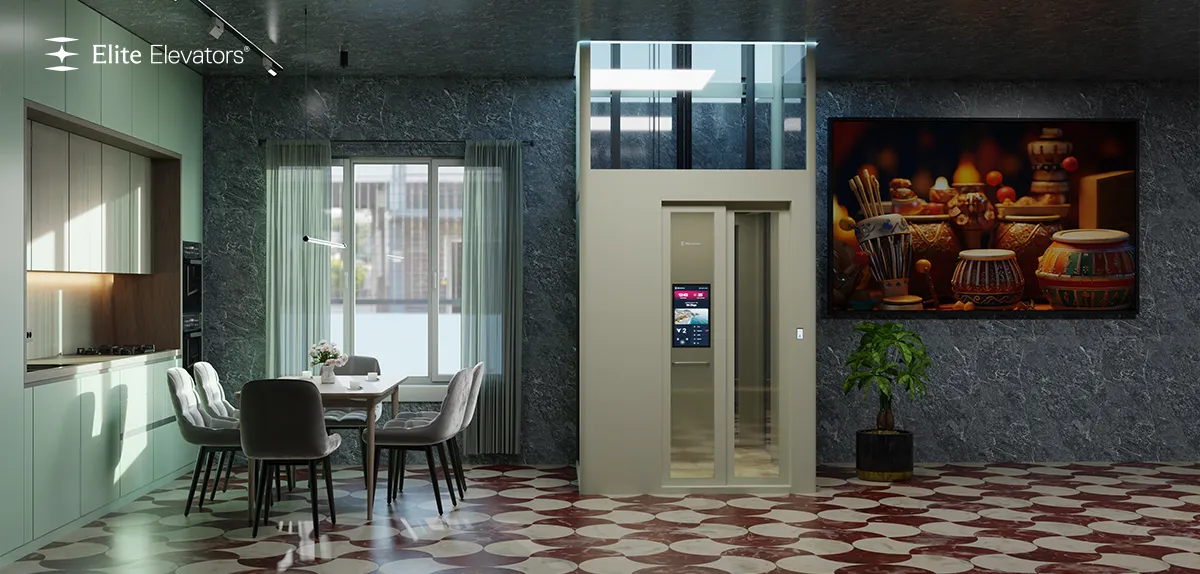
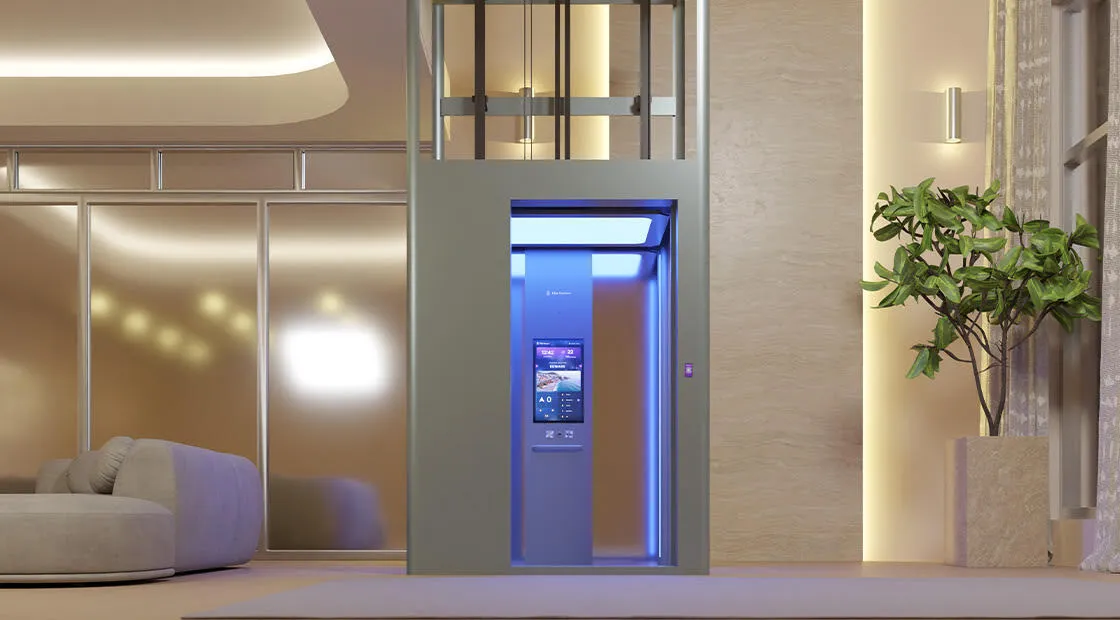
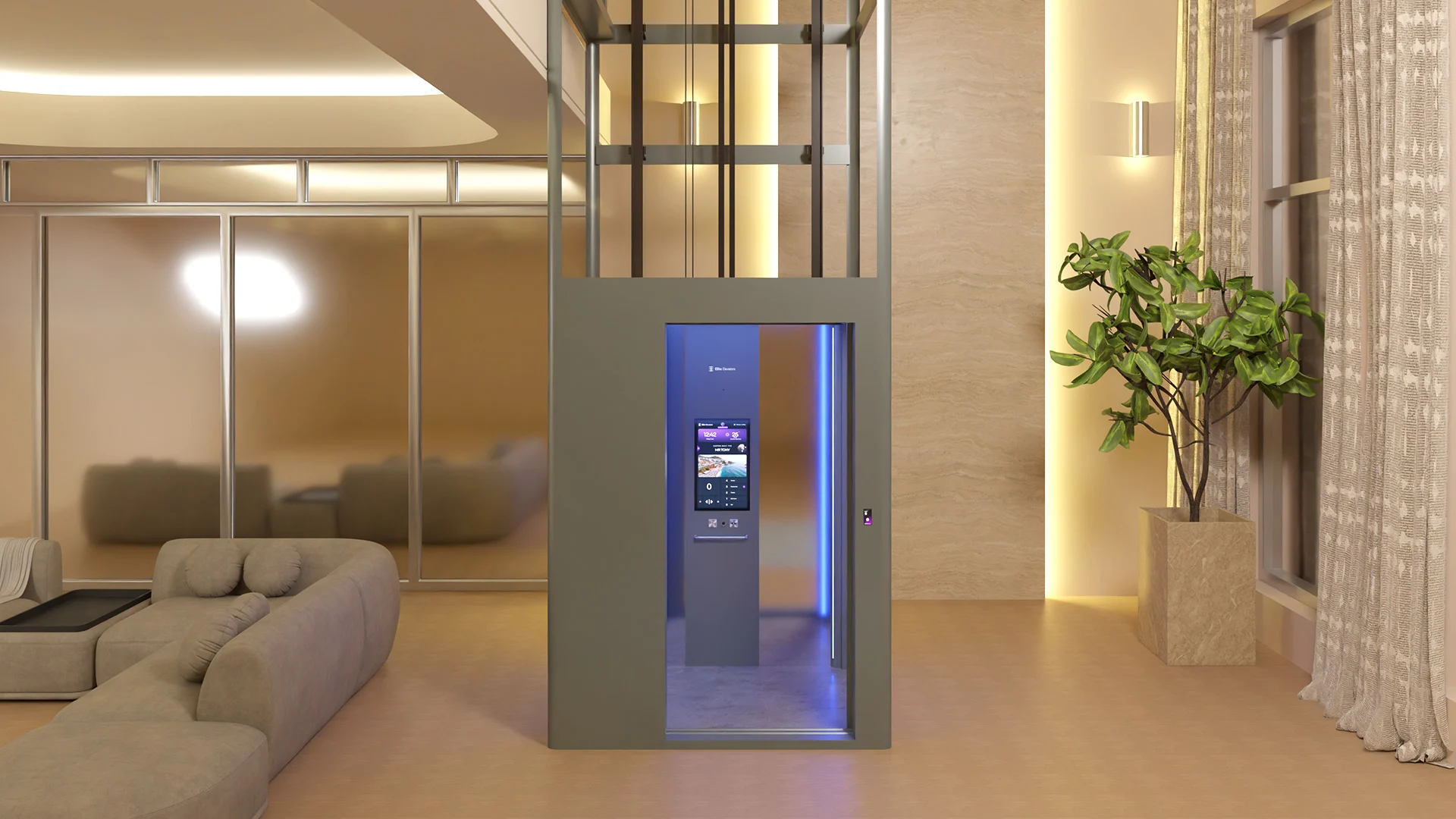
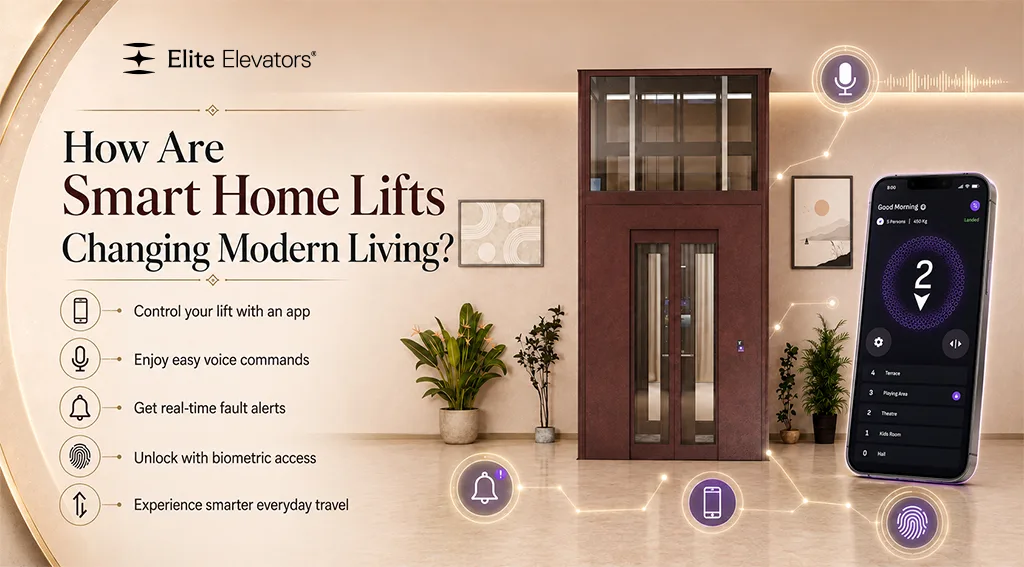
The next generation of mobility in the smart home has begun with home elevators that use biometric authentication and AI-enabled safety systems to enhance the safety, security, and comfort of the user by using advanced technology. These types of elevators use a variety of technologies (i.e., fingerprint readers, facial recognition, cognitive algorithms that use sensors and sophisticated supervision) to provide the capabilities necessary for modern homes.
Biometric access is an example of how a biometric system limits the ability to access an elevator to only those who are allowed, compared to the traditional mechanical call button mechanisms through which everyone has access. AI-assisted safety algorithms will consistently monitor and assess every condition of the elevator ride, utilize the usage patterns established by the consumer and ensure that the elevator's unique safety features are continually enhanced.
Elite Elevators is one of the top-quality elevator manufacturers that are currently incorporating new and emerging technologies into their design of intelligent safety systems that will function in conjunction with many of the aspects of today's smart home.
AI-enabled and biometric safety systems are important because, as homes continue to be connected with more advanced technology, elevator safety must advance beyond mechanical-only reliability. AI-enabled and biometric systems also offer consumers many benefits, including:
An ideal application for an elevator powered by biometric and AI-assisted safety features is:
Fingerprint recognition / fingerprint scanner
Touchless user interface
Real-time cabin load monitoring
Encrypted data for user authentication
Emergency lowering system
Yes, biometric home elevators have been engineered to process encrypted data securely and provide additional safety features in addition to traditional safety features.
If the biometric controls malfunction, the elevator will continue to operate normally using the standard control methods.
AI-assisted safety systems have been developed to enhance and improve the reliability and effectiveness of existing mechanical and electrical safety systems, but they do not replace traditional safety systems.
Yes, biometric systems can be customised to recognise authorised users and provide a simple, user-friendly method of operating the elevator.
Yes, many home elevators equipped with biometric access features and AI-assisted safety will most frequently be designed so they can easily integrate with most current smart-home systems.